


Katana
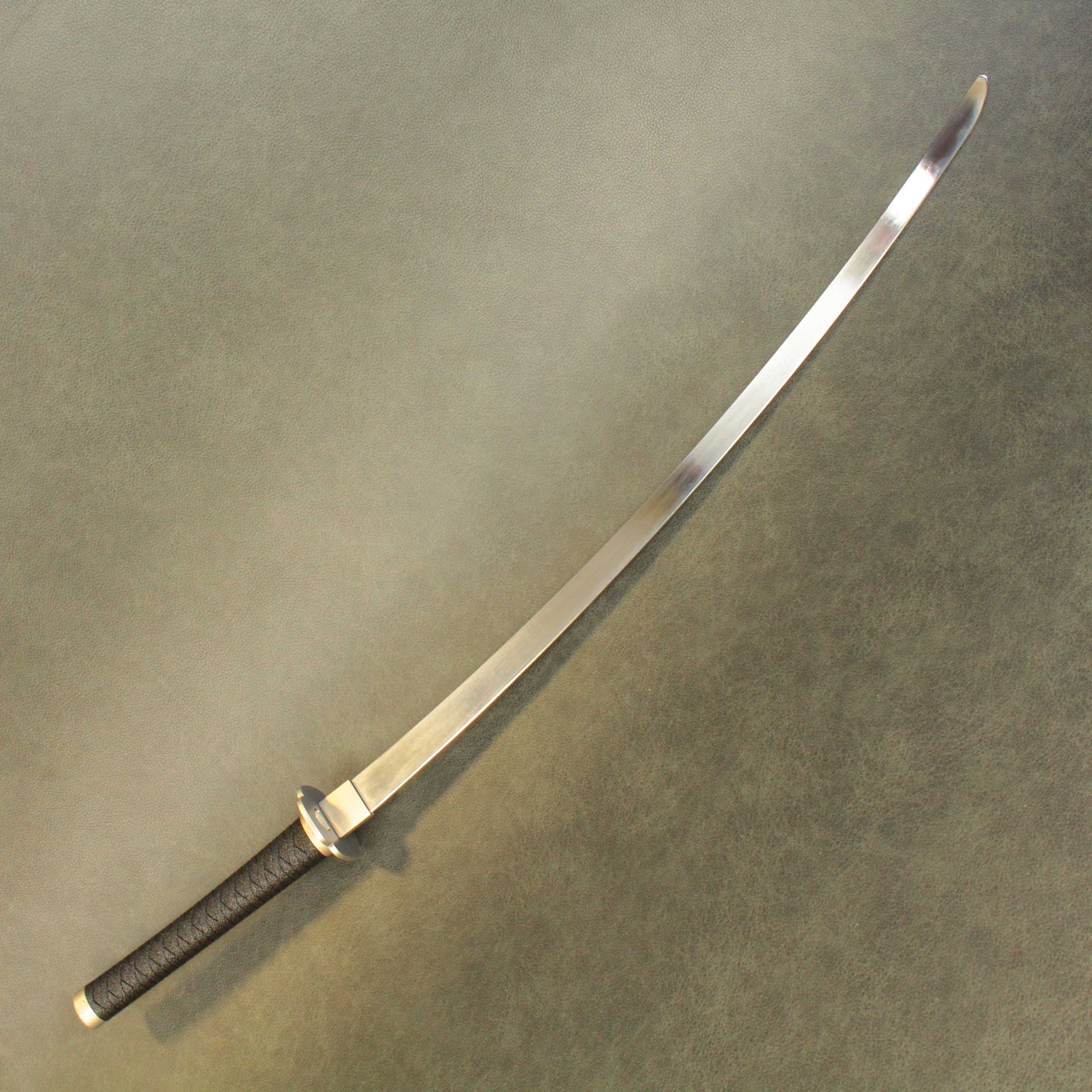
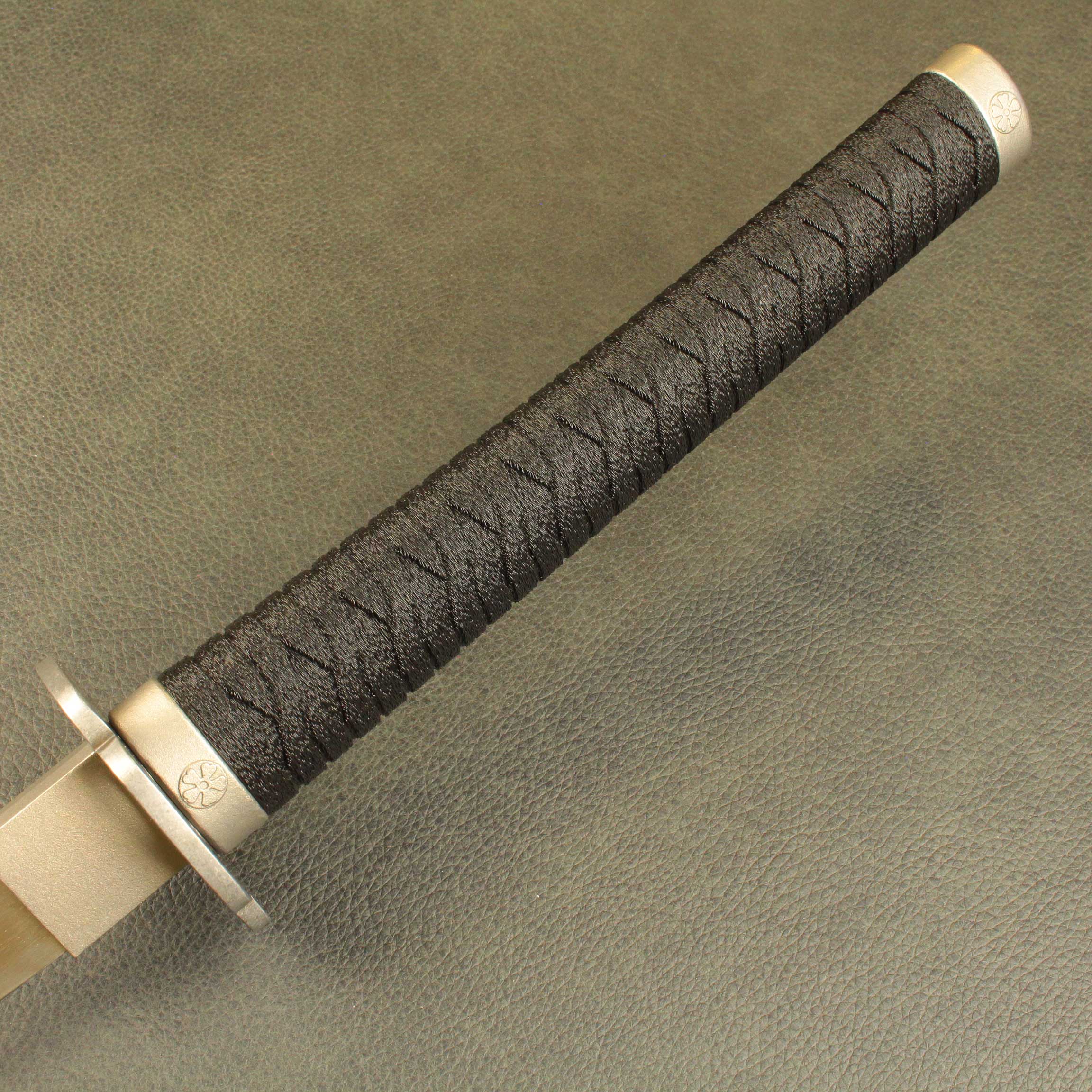
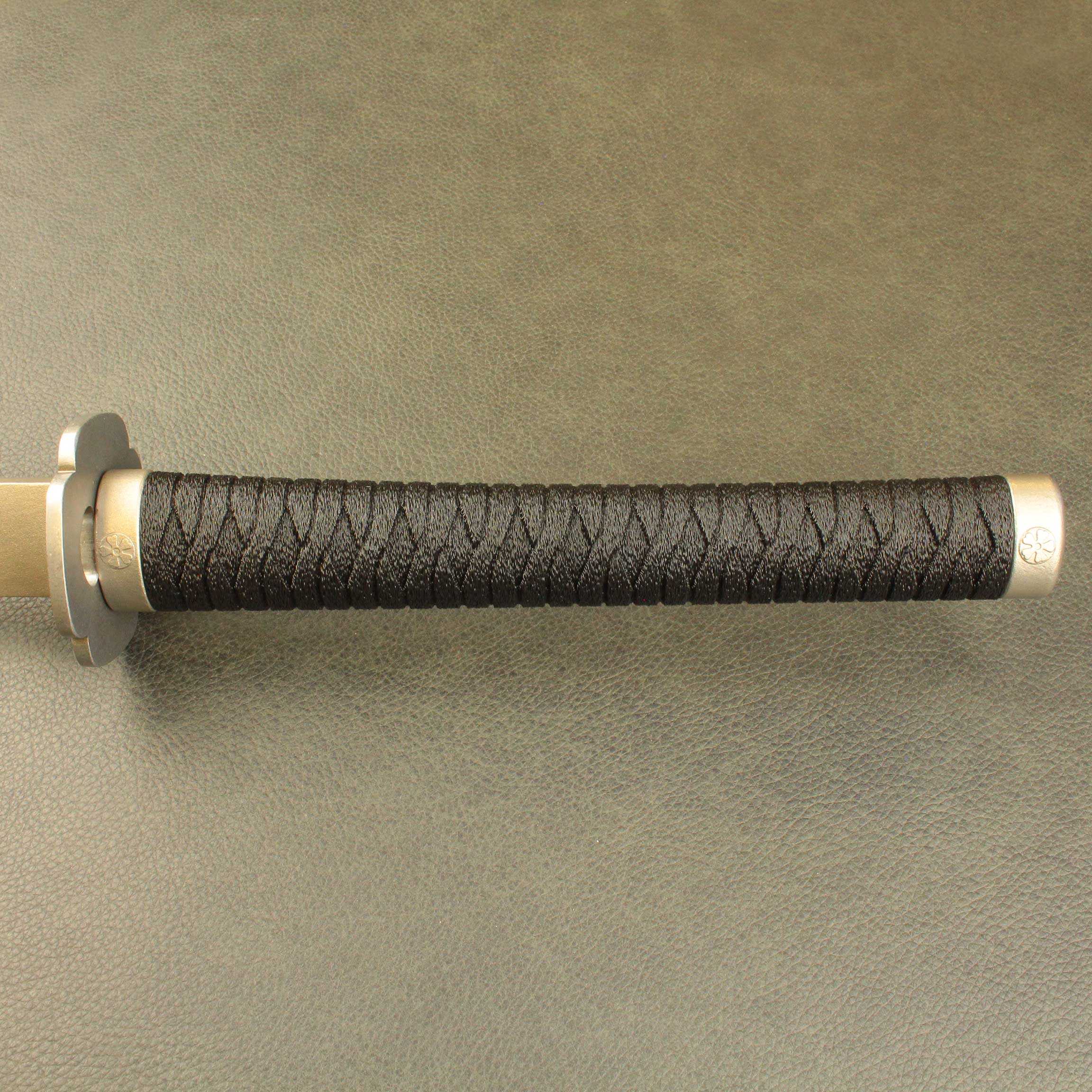
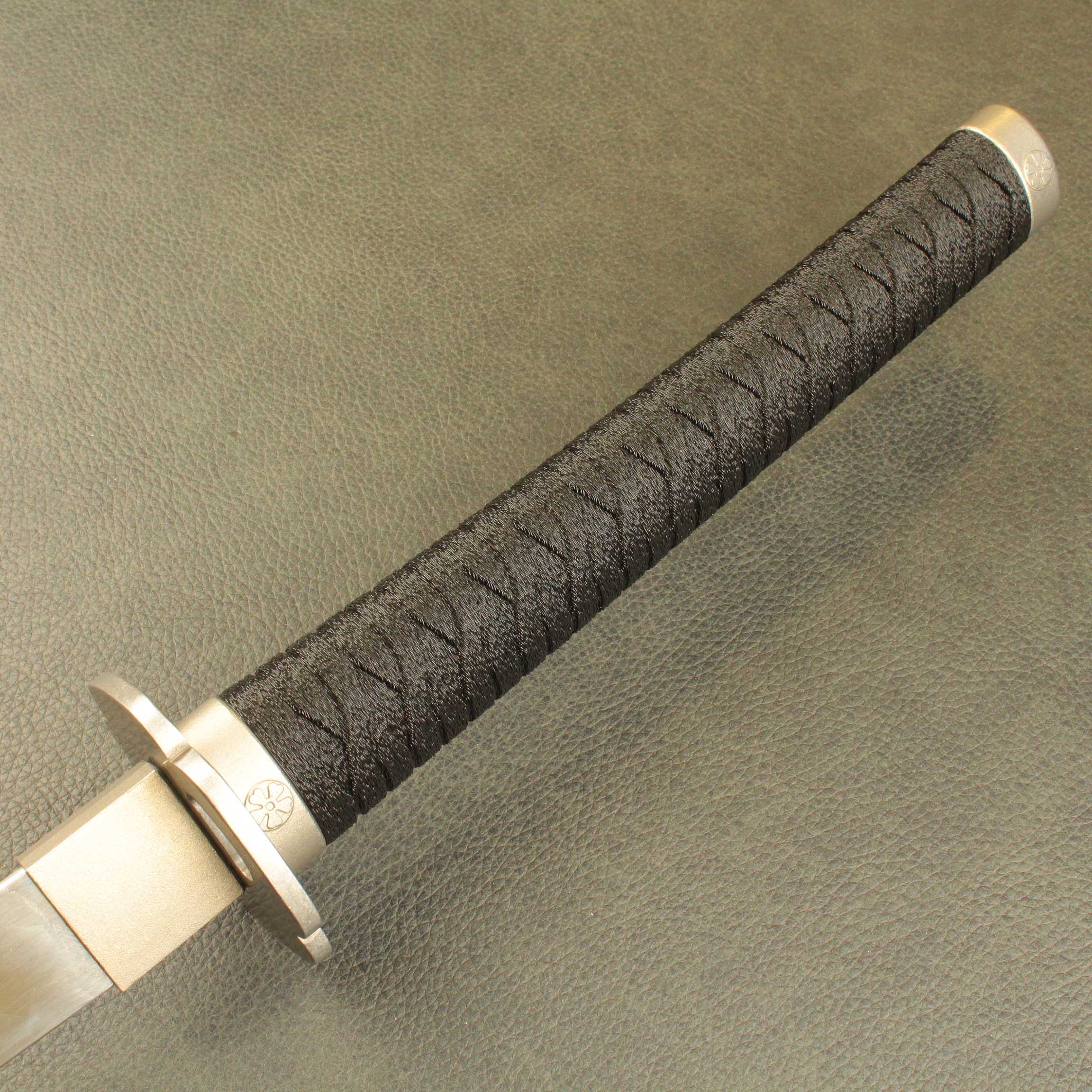
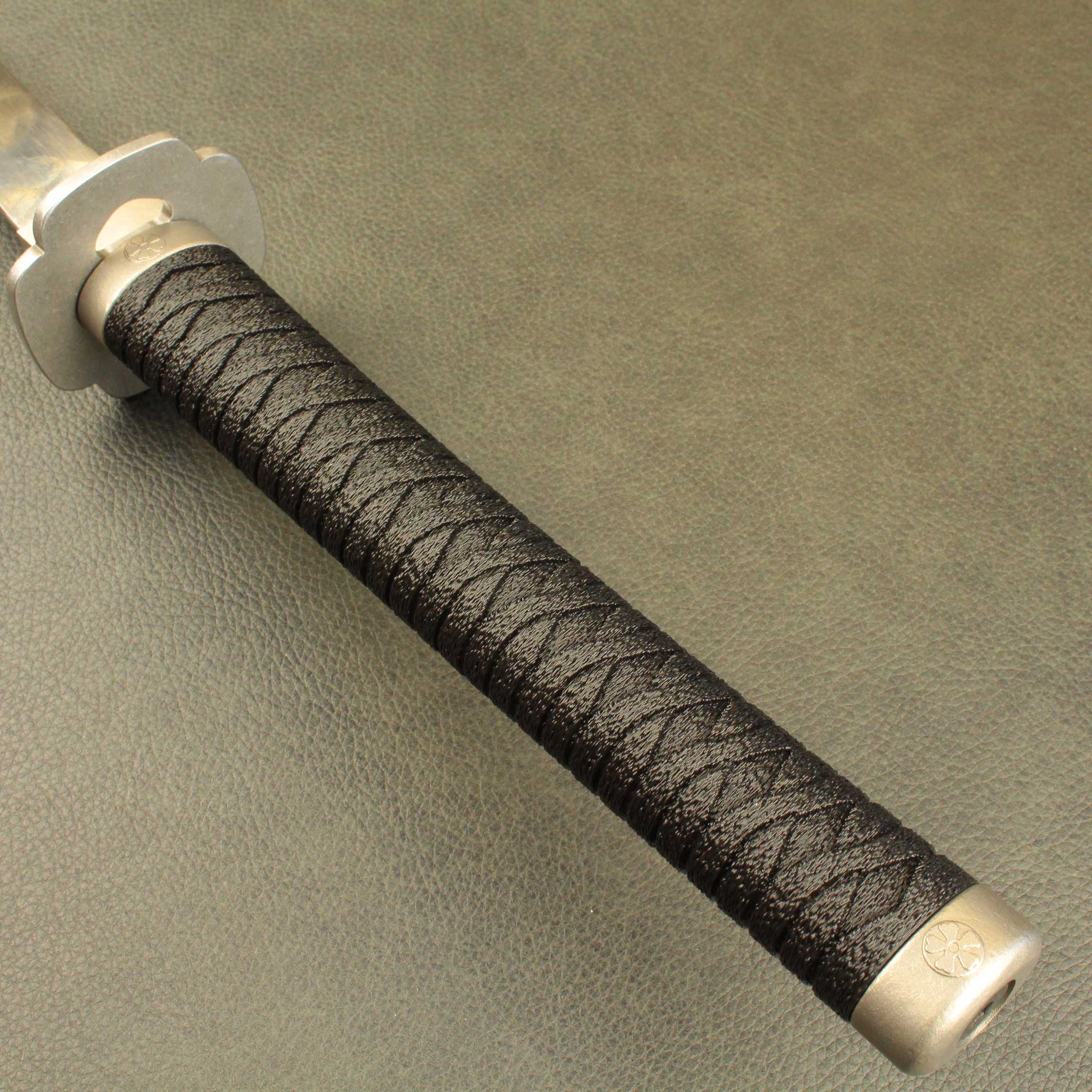
We were lucky enough to have 25 antique katanas on loan for a while. These antiques spanned from the late Muromachi period through the late Edo period all with diverse origins. We documented physical characteristics from each; weight, balance, curve “sori”, blade length, tsuba length and diameter and complied categories for each. Our goal was to bring the most historically accurate safe sparring simulator to life but the reality is that the sheer diversity of blade characteristics made a single offering impossible. We decided to contact some of our favorite Japanese sword practitioners and ask them what they would want if they could have anything. What we heard back from them, in conjunction with what we learned from the antiques gave us a clear picture as to how to proceed. We took averages of each antique and found the median. We then added two inches of blade length to account for the average modern practitioners size. We also took one particularly nice antique from the early Edo period and literally 3D scanned the tsuka so that we could infinitely reproduce it with exacting accuracy. These product designs could be considered the perfect middle ground between shorter earlier period Koto and longer later period Shinto Katana. A very happy medium indeed.
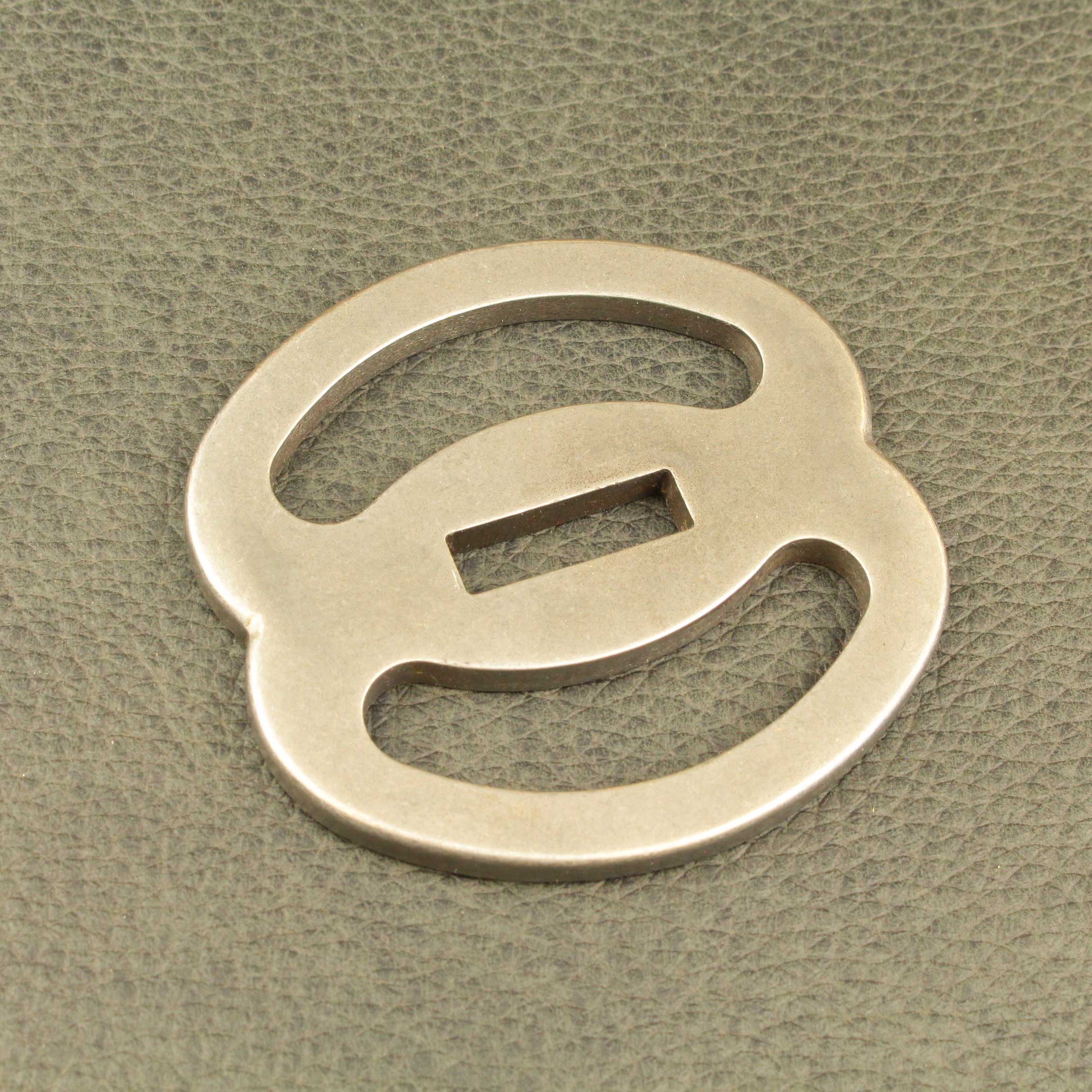
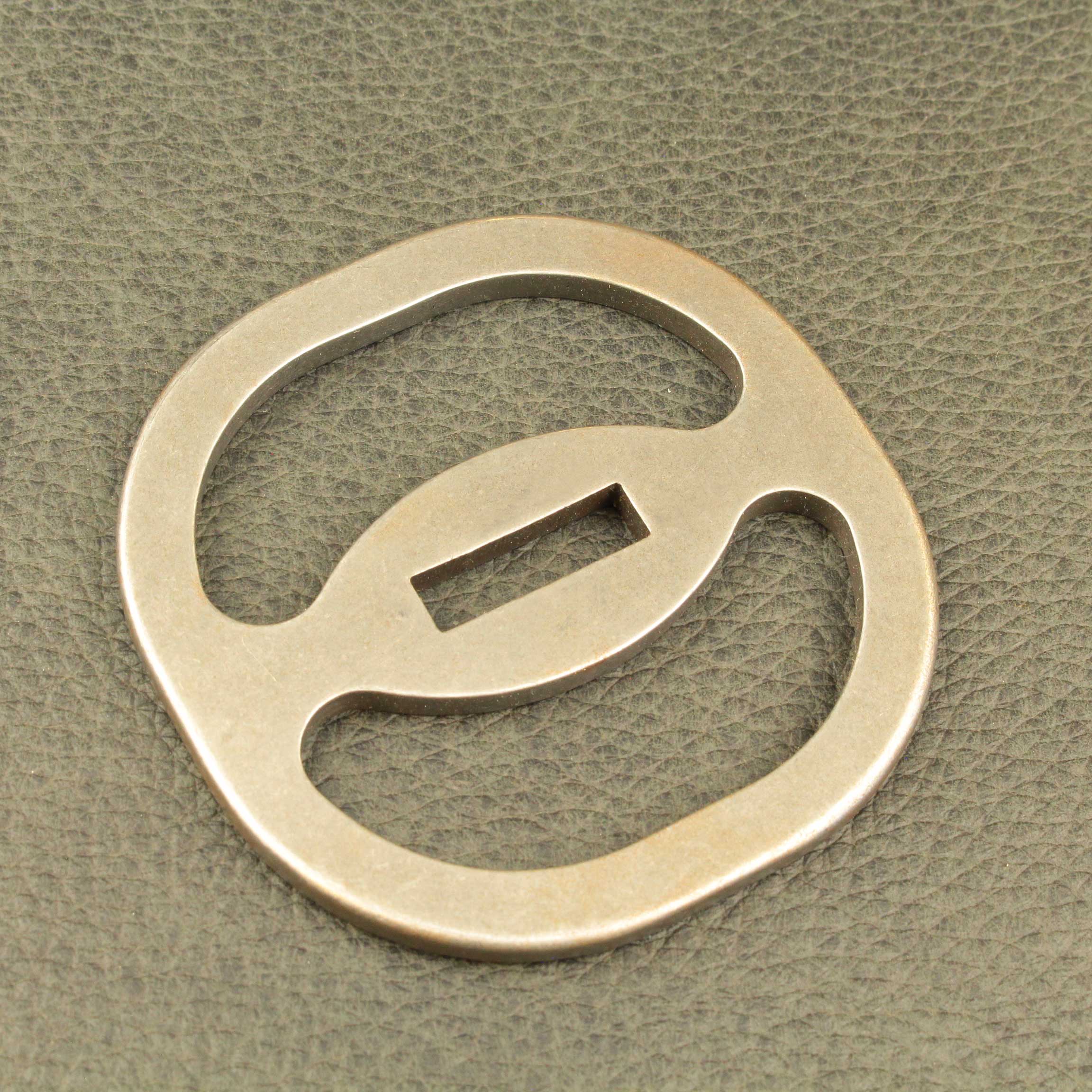
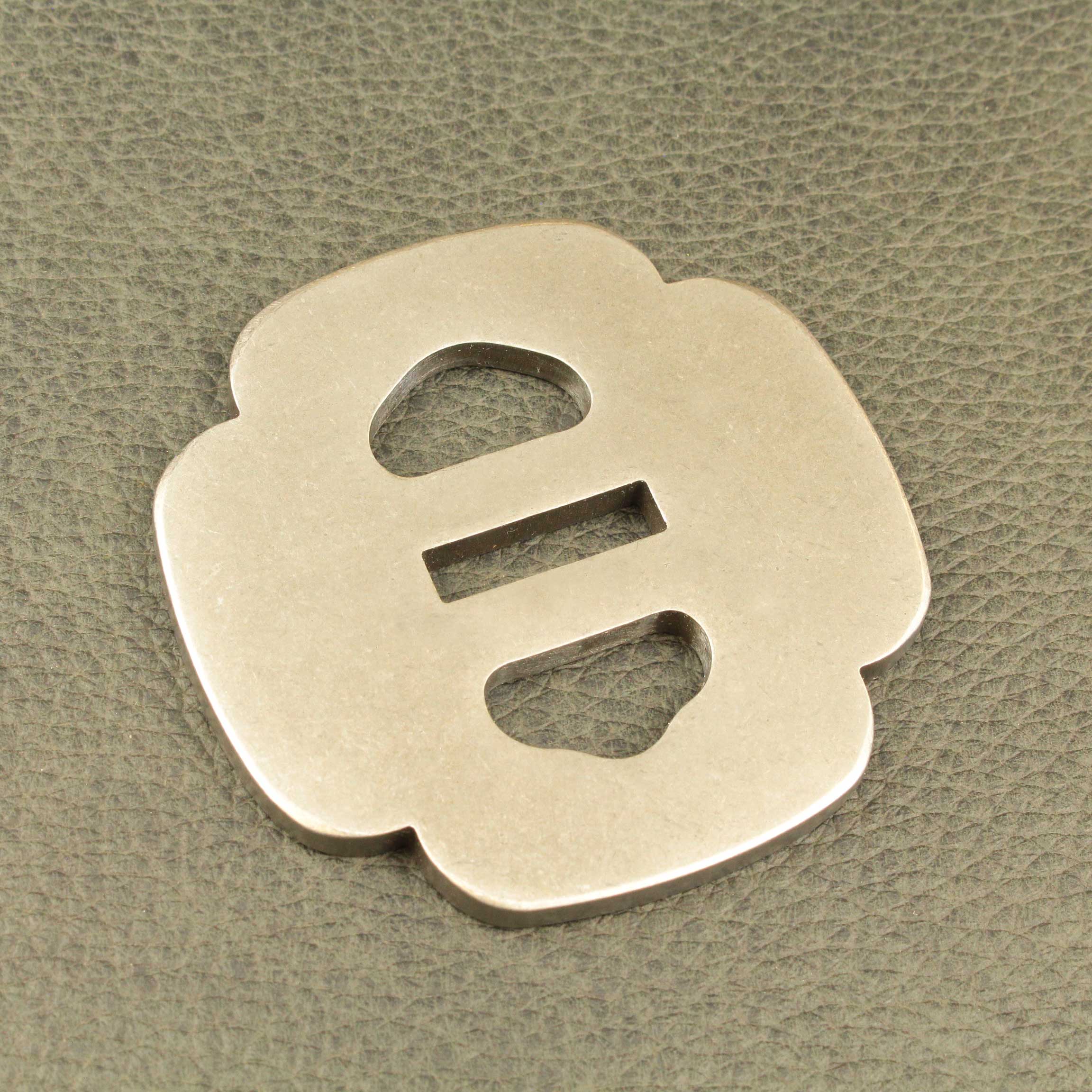
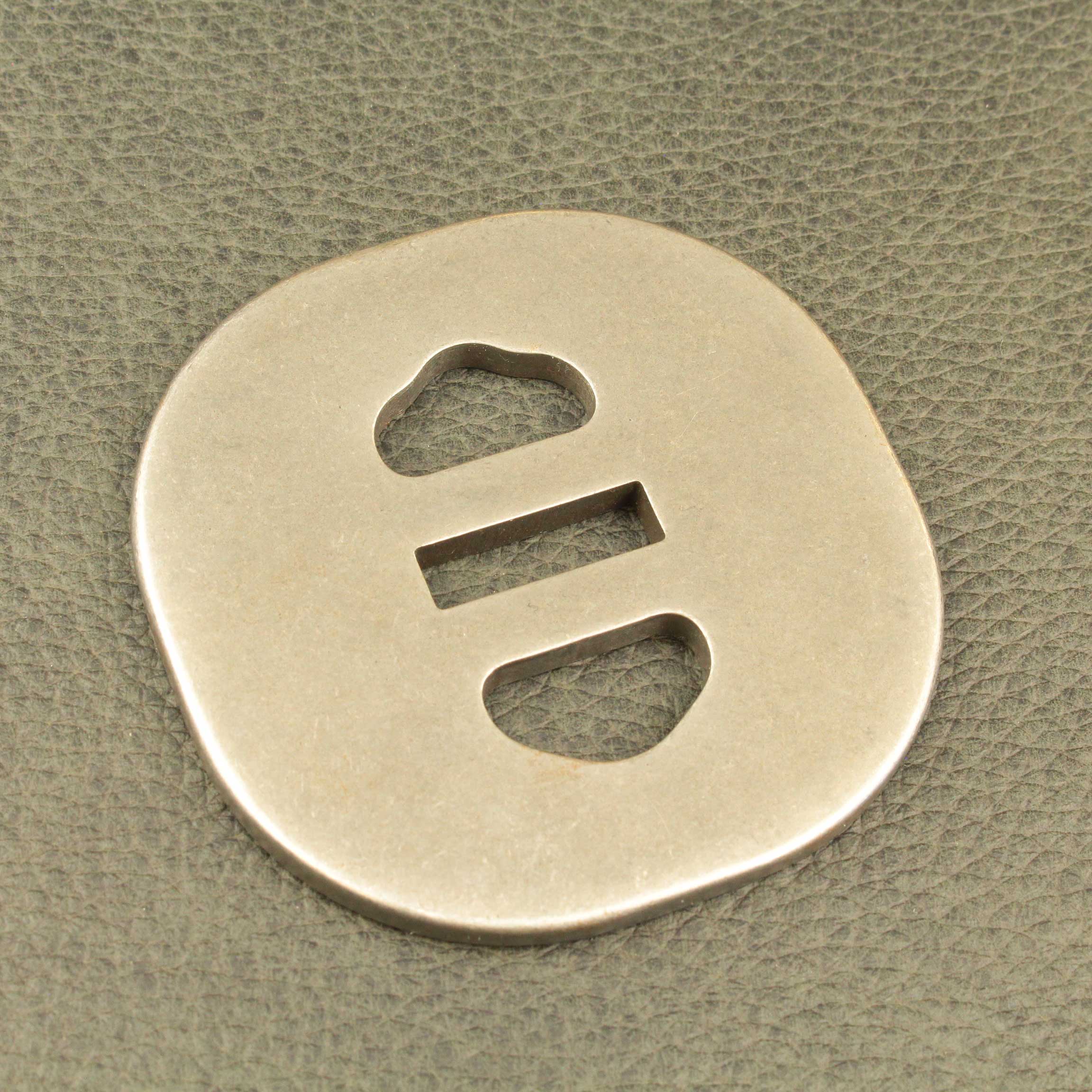
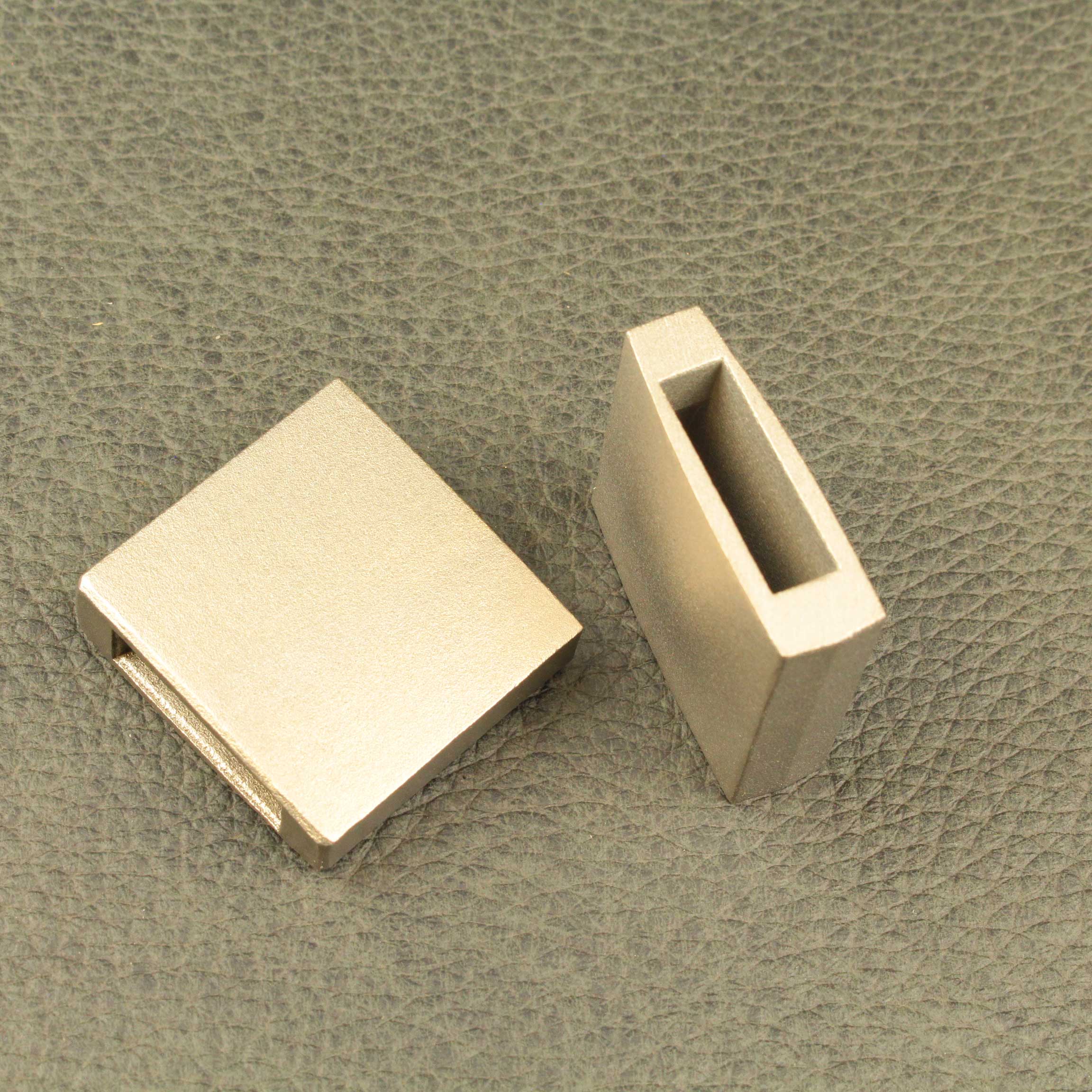
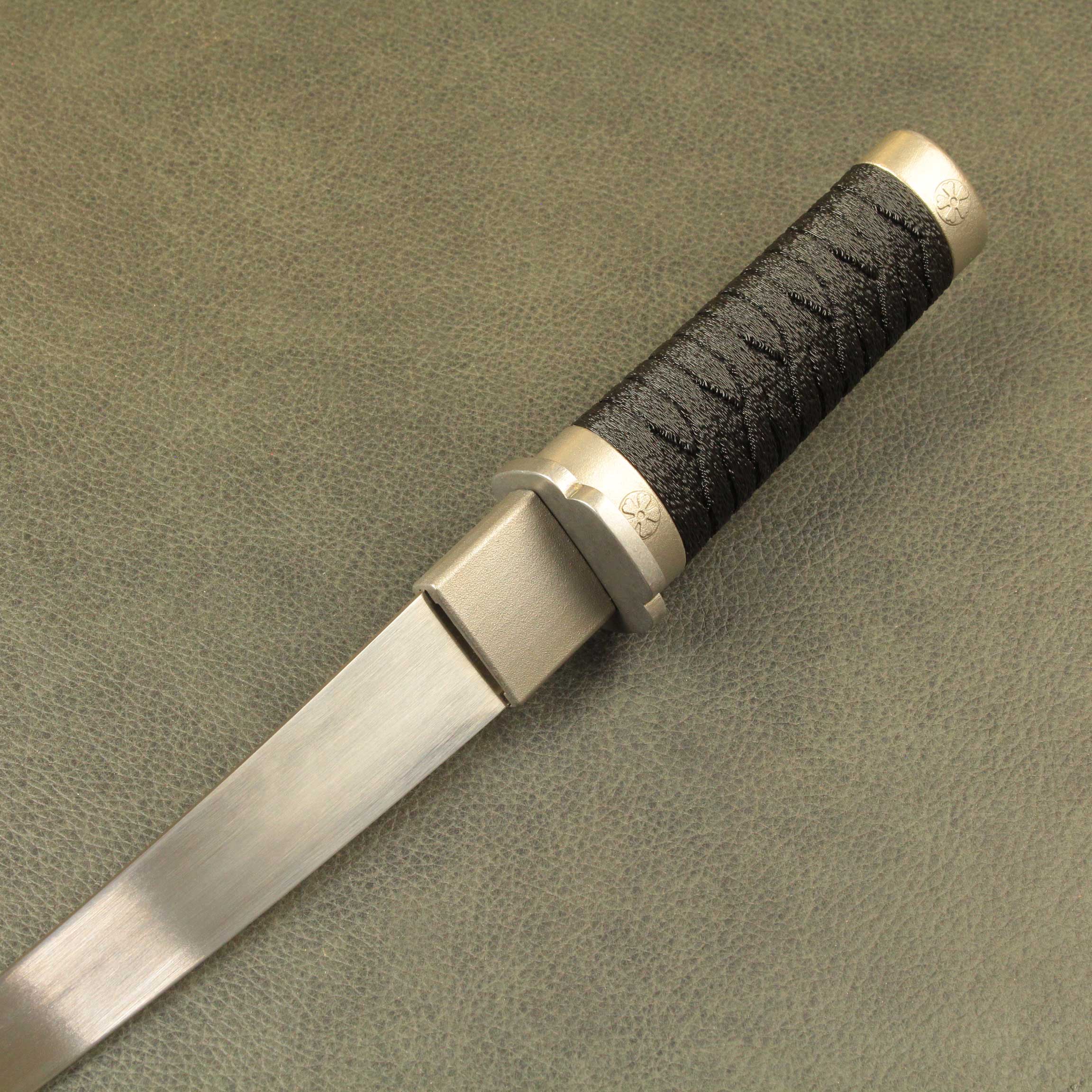
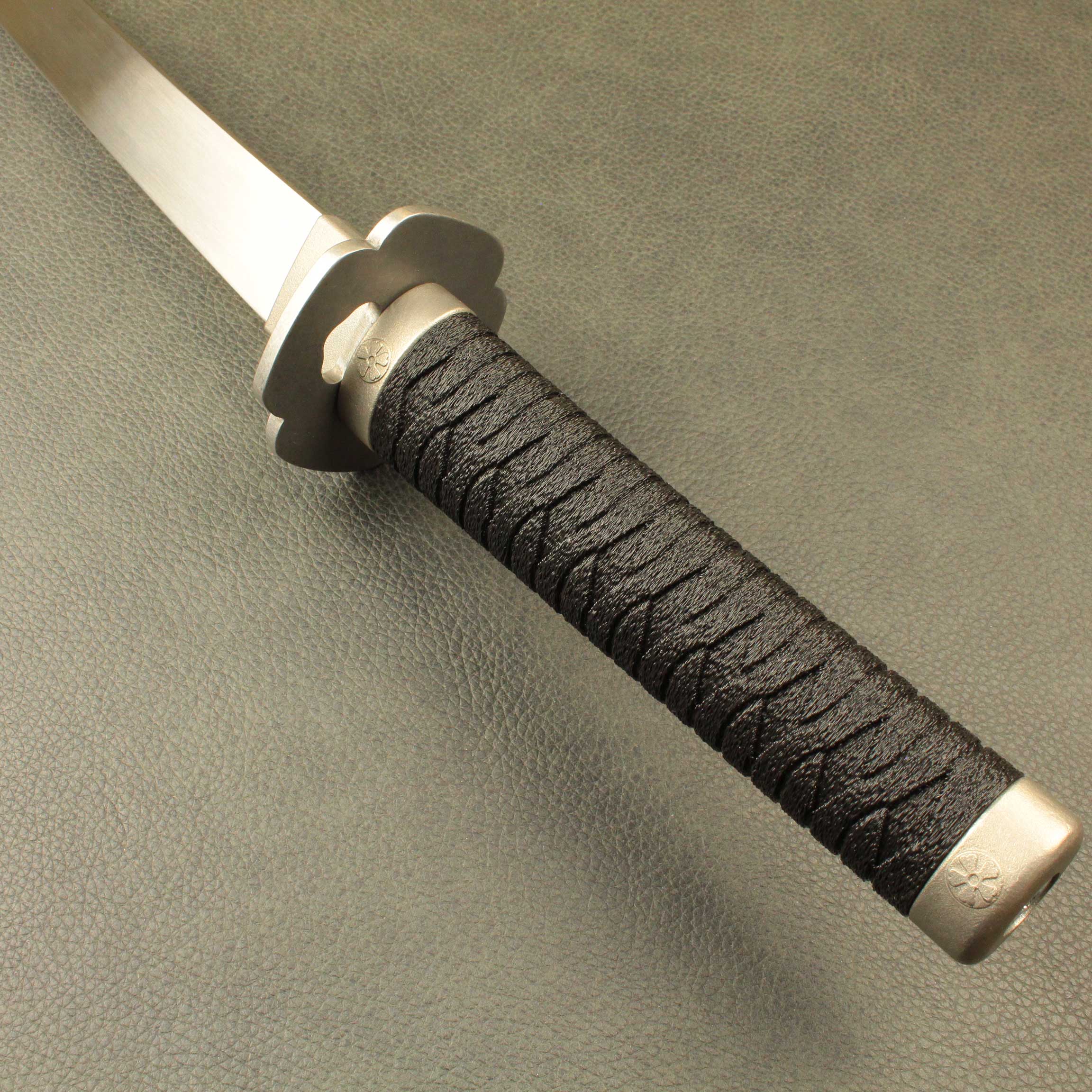
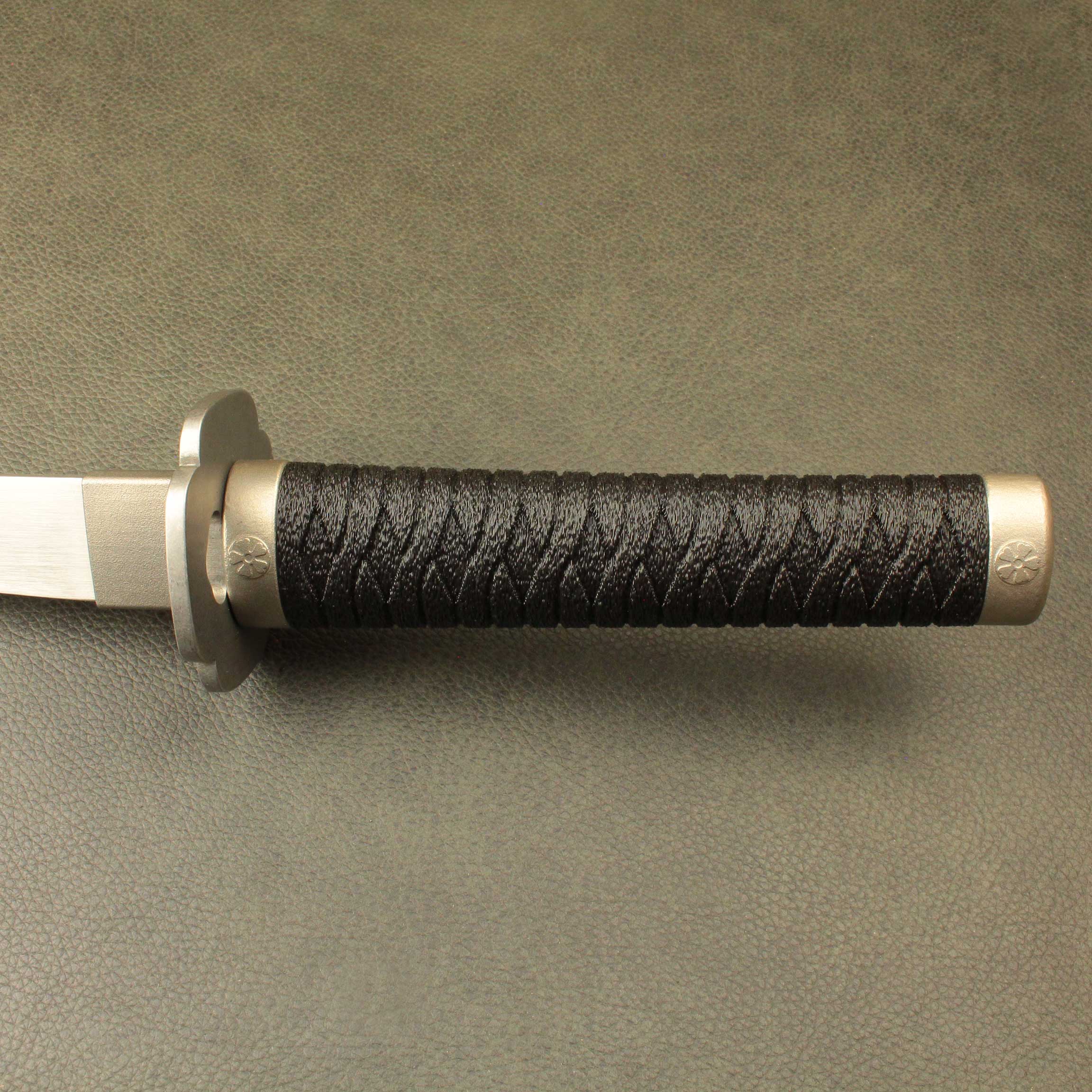
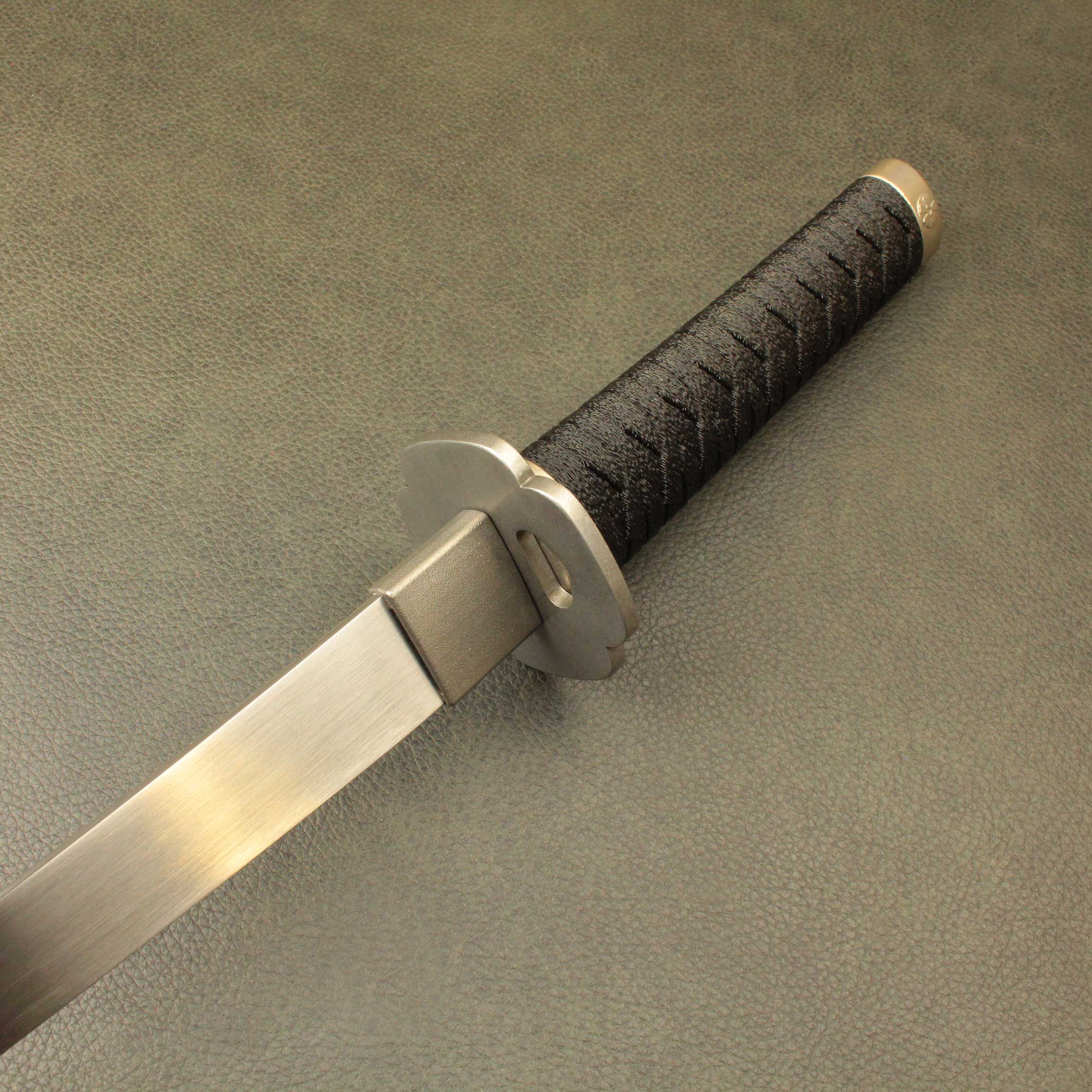
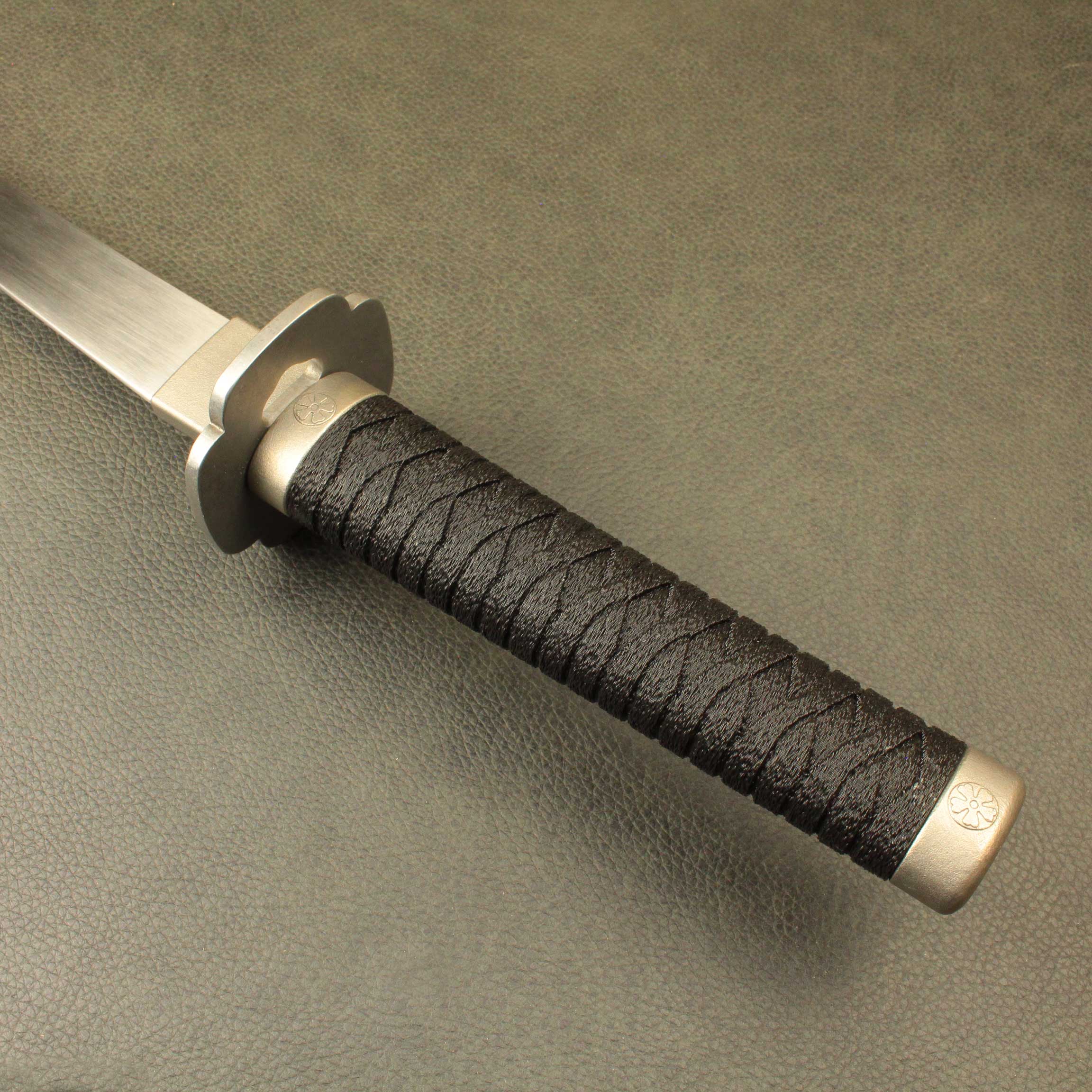
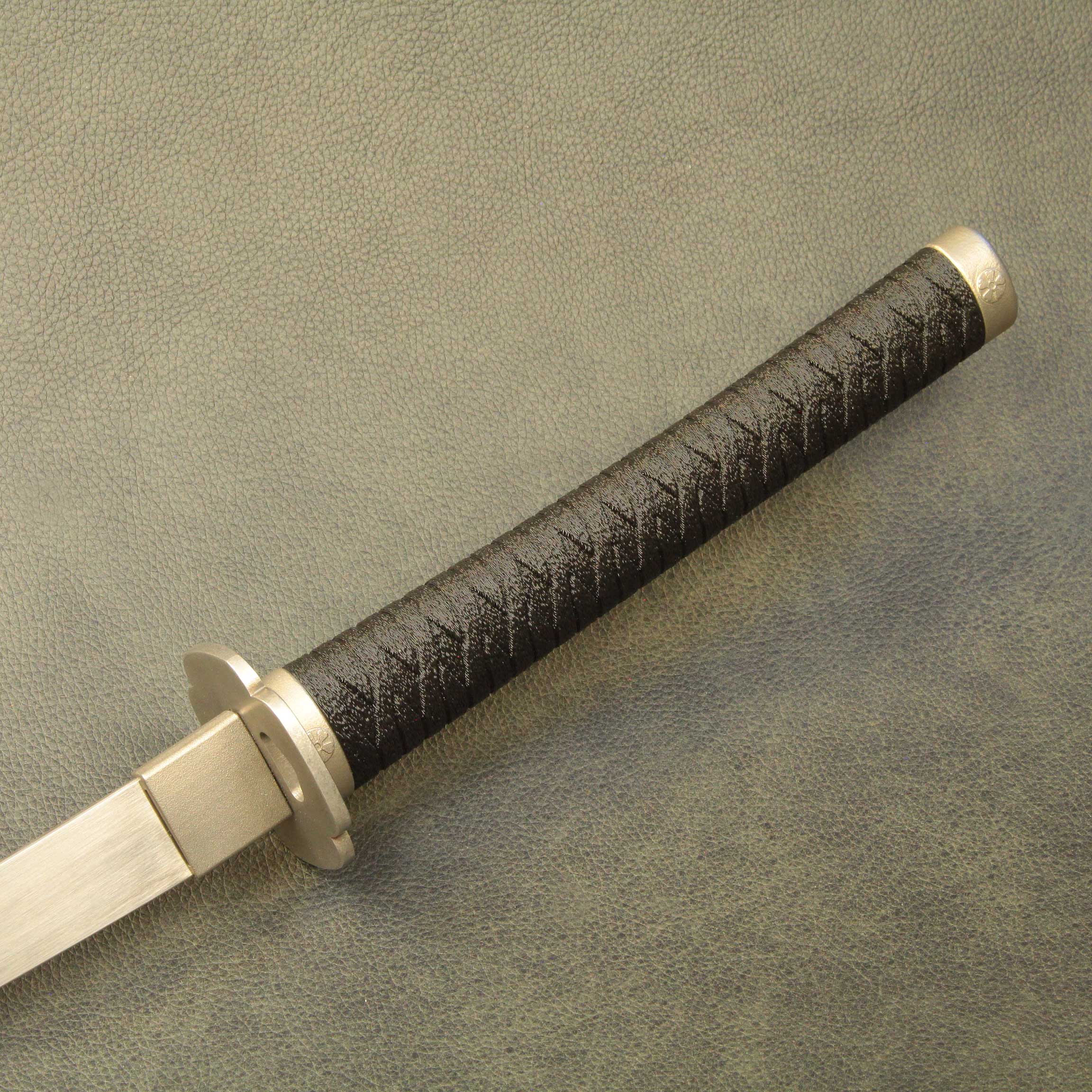
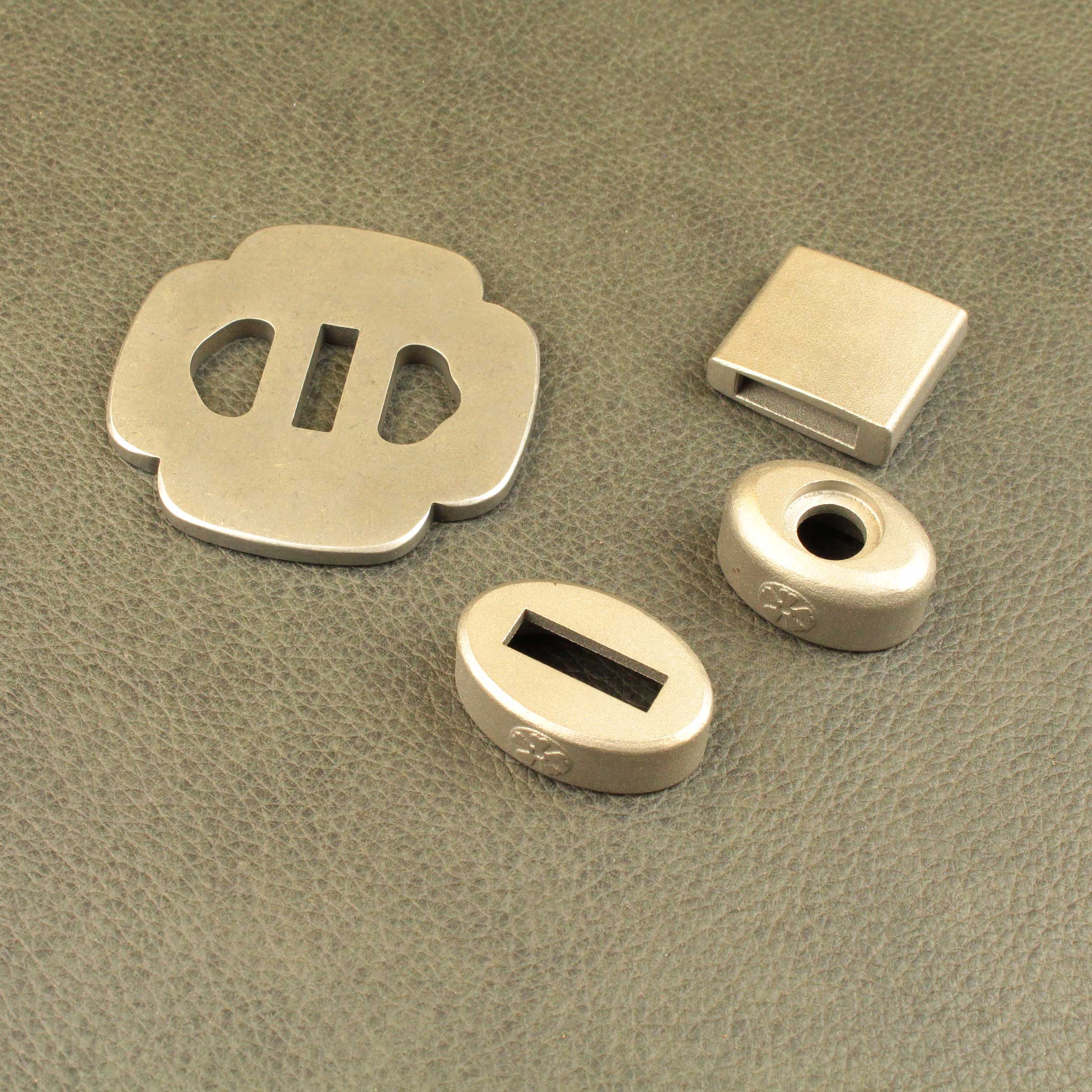
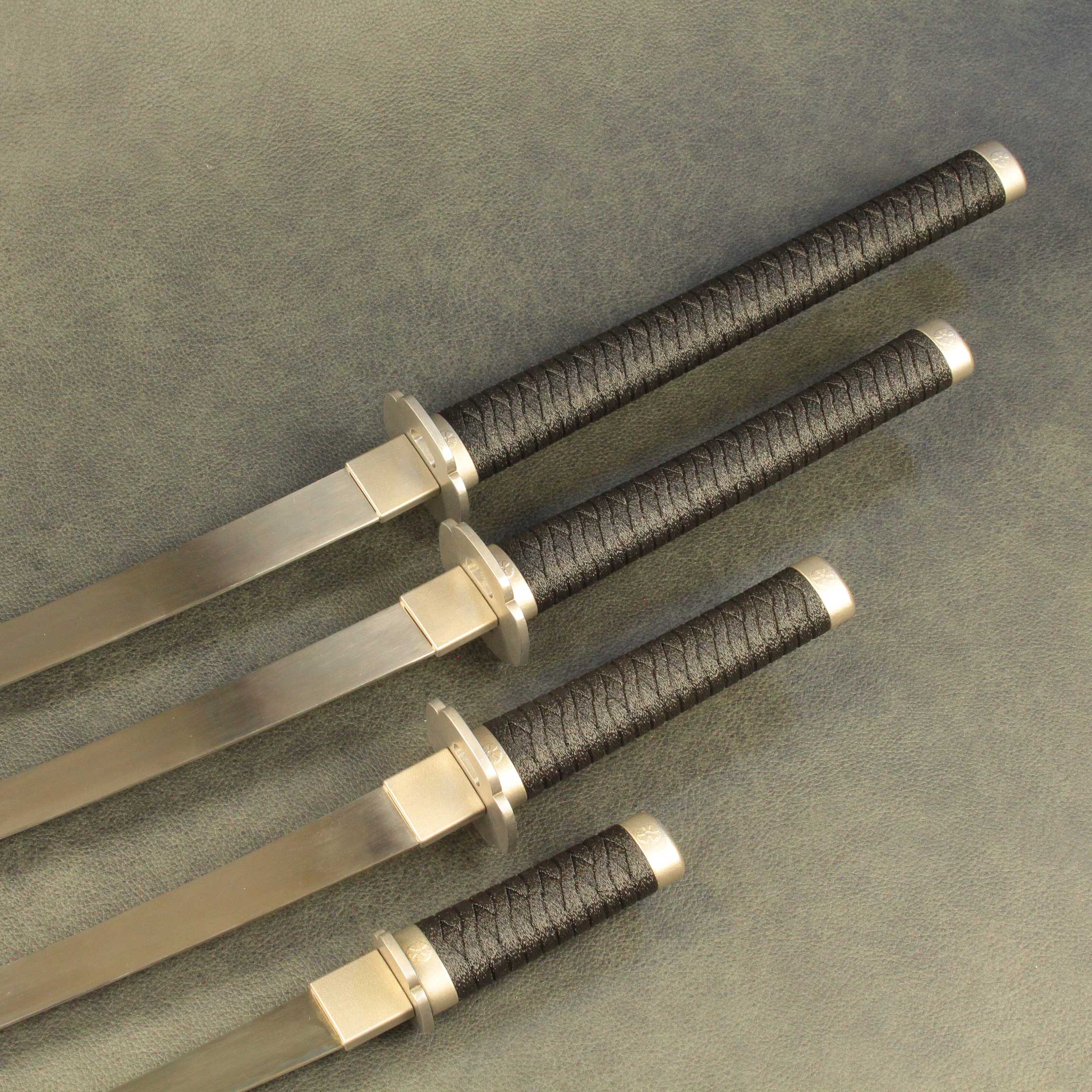
Our final designs incorporate all of the important details expected in a lifelike but safe sparring katana simulator. Proper average weight, modified for sparring, balance and size and individual traditional parts-habaki, fuchi and kashira. We decided to make the tang of the blade (Nakago) a unique hybrid of traditional shape but threaded in order to make these swords modular and easily disassembled and reassembled using an M6 recessed pin. Tsuba options can be mixed and matched to give each build it’s own personality. If you would like a custom Tsuba made, please email customs@castillearmory.com.
In our quest to build the most realistic simulators around, we had some interesting conversations (and arguments) regarding terminology. In a nutshell, not all historical names and classifications were standardized over the eons and not all traditional information relates to our modern experience and expectations. The deeper I went into this proverbial rabbit hole, the more complex it all seemed. To circumvent this confusion regarding names like Odachi, Okatana, Tachi and a thousand other traditional classification terms which can mean different things depending on the province, culture and period, we simply classify these two blades by their “Shaku” or traditional length measurement. One shaku in general terms, equals 30.3 cm or just under 12″ by modern standard.
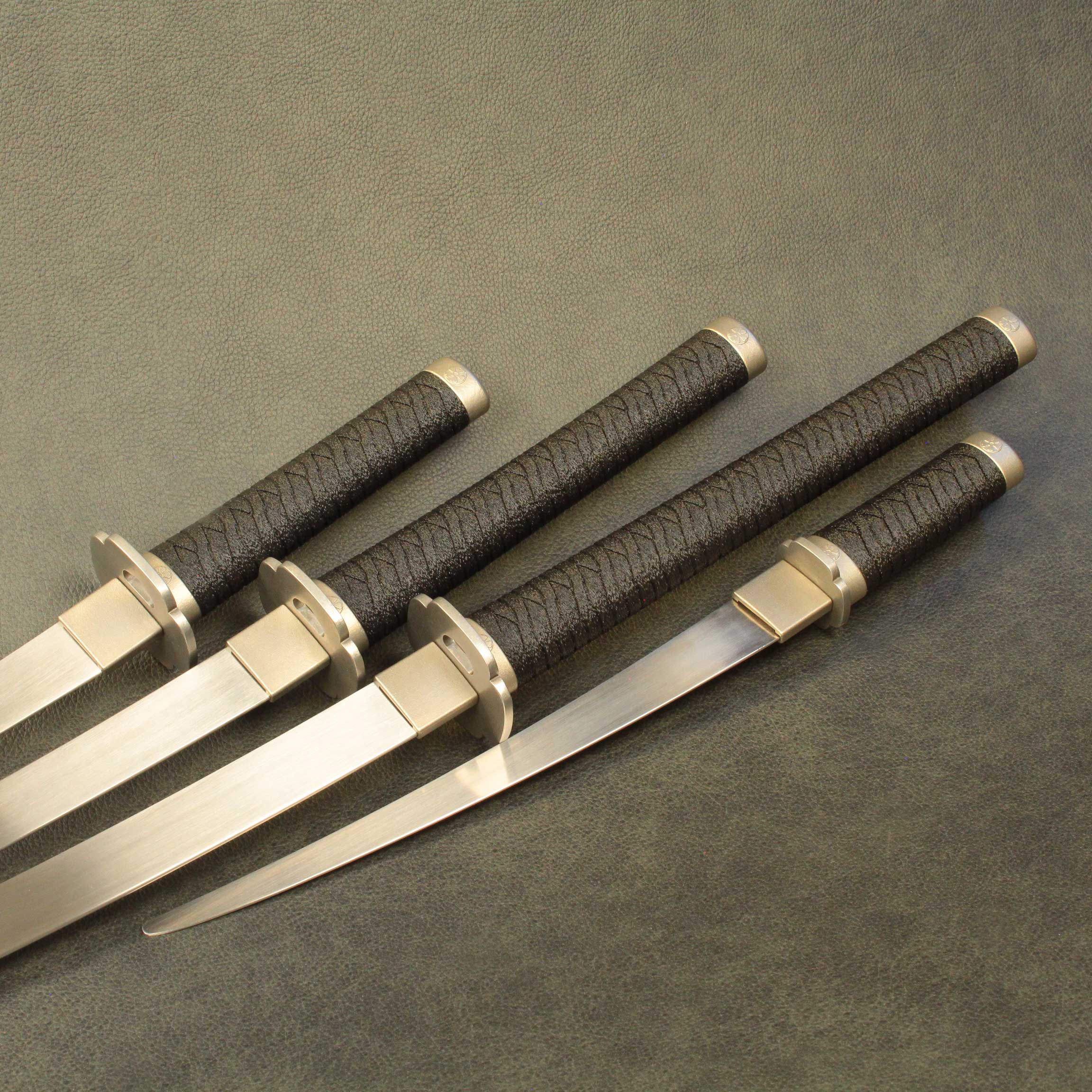
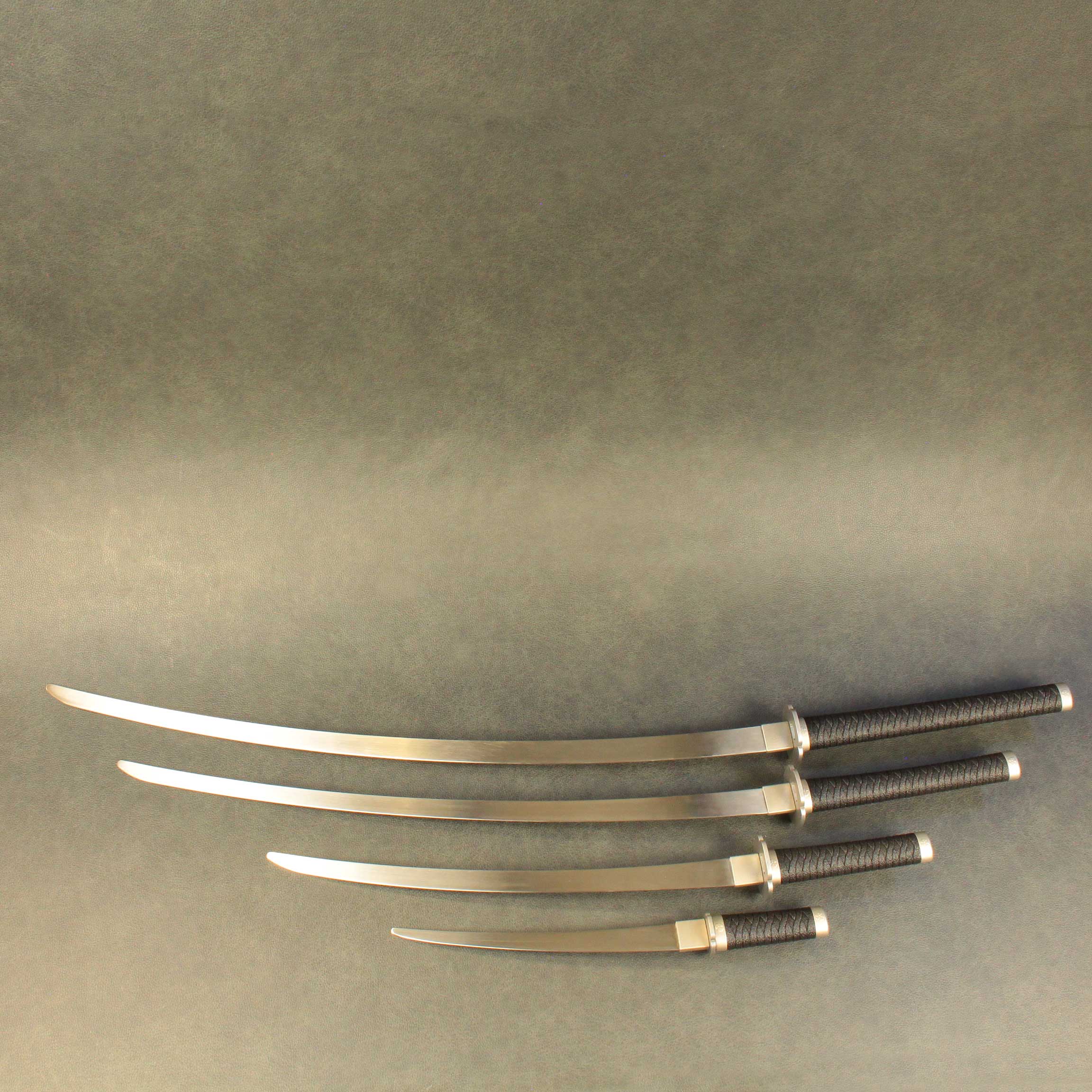
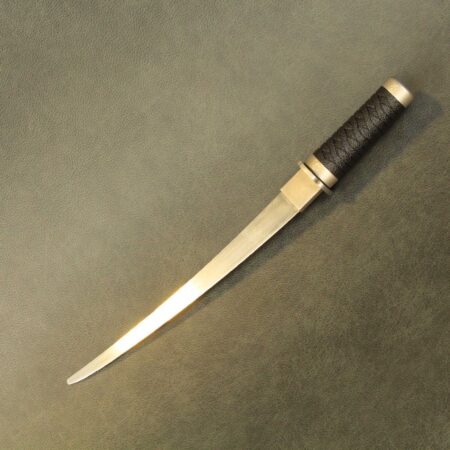
We offer two Katana options, a Wakizashi and a Tanto. Each is measured by its shaku and is categorized by that label. The Katanas and the Wakizashi share the same hardened habaki, fuchi, kashira and 4 options for Tsuba (Ameryu, Muji, Musashi and Namako). Our Tanto shares the same habaki, fuchi and kashira as its larger counterparts but is offered with smaller matching tsuba or can be without a tsuba at all as often seen historically.
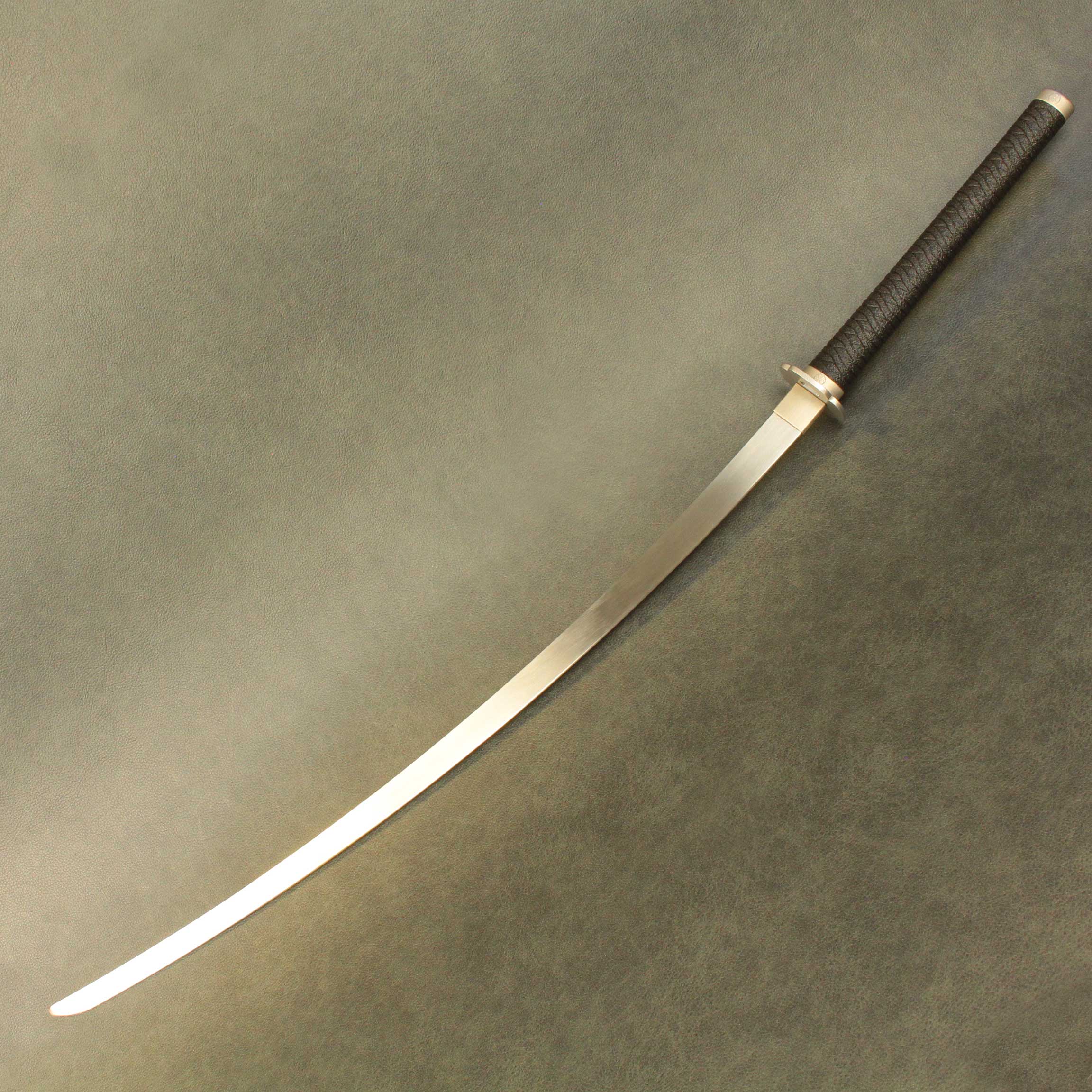
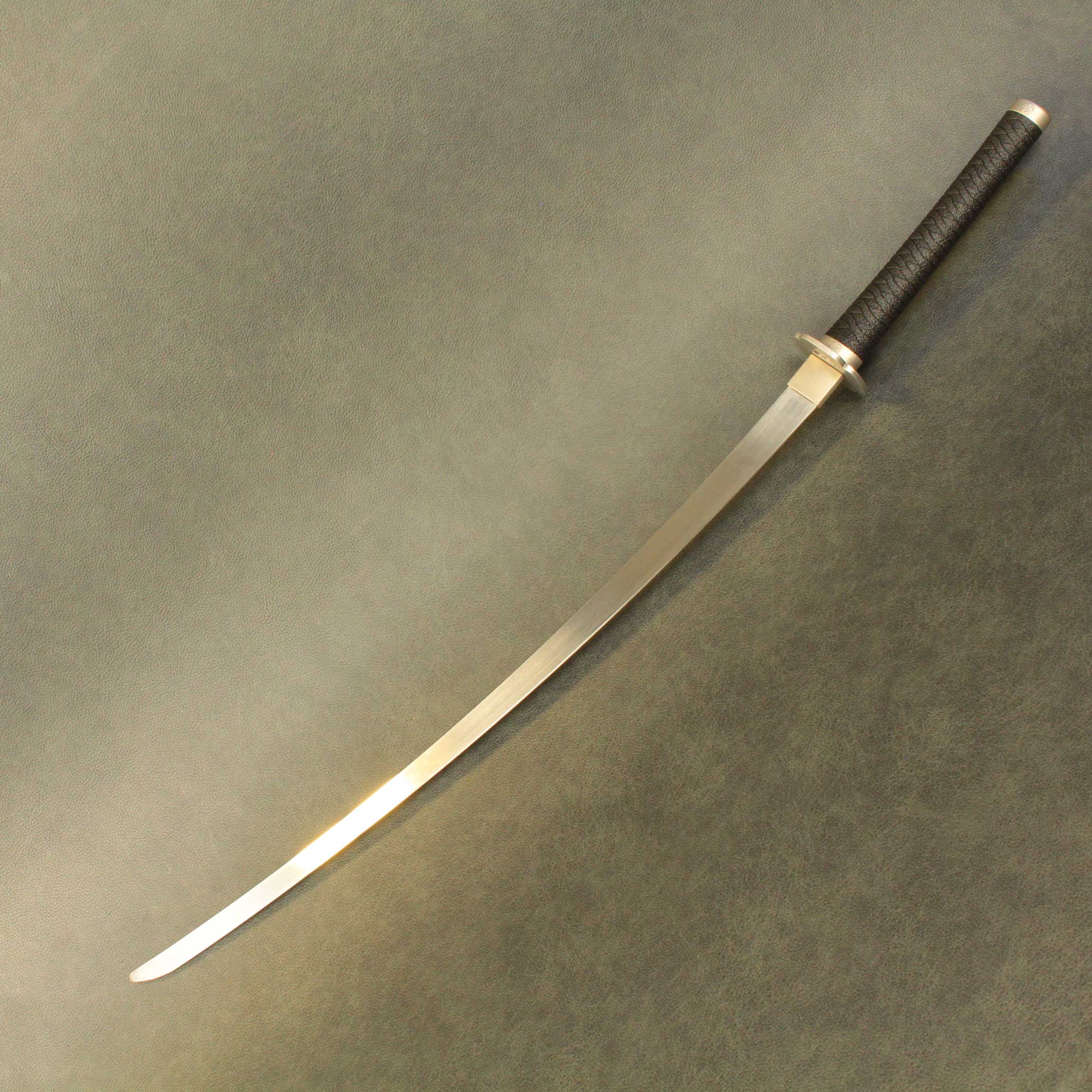
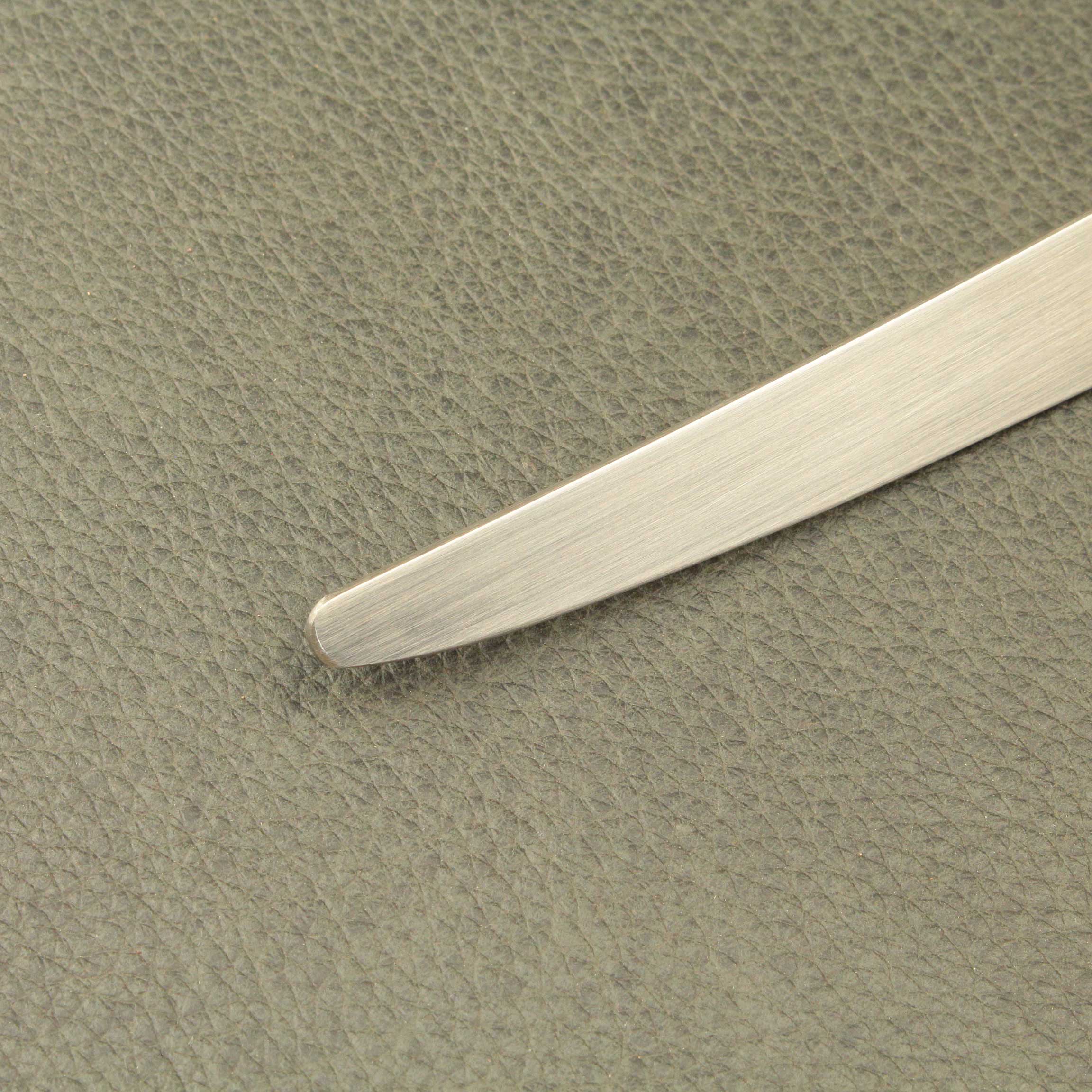
One of the antiques we studied had a very comfortable and elaborate tsuka, we liked it so much that we decided to 3d scan it and use it as a base for our tsuka design. We offer a modified average length tsuka for each model based on the dimensions of this antique. All of our blades feature a Torii-Zori Sori (curve); a medium to shallow depth of curve with its apex near the center of the blade. This sori was most notably applied to blades from the Muromachi period (14th-16th century), although quite a few of the much later Edo period antiques we studied (late 17th-19th century) featured a very similar curve that just wasn’t quite as deep. We designed out blades with the Torii-Zori Sori because it was most common among our antiques and we liked the handling. With this sori, the blades just look like what pop-culture expects a katana should look like, “Kill Bill” style.
Our 2.5 Shaku Katana has a blade that is 2.5 shaku: 30″ (76cm) and develops a point of balance of 2-3/4″ (7cm) from the front of the tsuba. It has a traditionally shaped 10-1/4″ (26cm) Tsuka for an overall length of 41″ (104cm). It is offered in F3 flex @ 18lbs (8.2kg) TFW* or F4 flex @ 28lbs (12.7kg) TFW*, with a total weight of 2lbs (925gr)
Our 2.8 Shaku Katana has a blade that is 2.87 shaku: 34-1/2″ (87.6cm) and develops a point of balance of 4-3/4″ (12cm) from the front of the tsuba. It has a traditionally shaped 13-1/4″ (33.65cm) Tsuka for an overall length of 47-3/4″ (121.2cm). It is offered in F3 flex @ 19lbs (8.6kg) TFW* or F4 flex @ 27lbs (12.5kg) TFW*, with a total weight of 2.6lbs (1.18kg).
Our 1.7 Shaku Wakizashi (sold separately) has a blade that is 1.7 shaku: 21-1/4″ (54cm) and develops a point of balance of 2-1/2″ (6.5cm) from the front of the tsuba. It has a traditionally shaped 7-1/4″ (18.5cm) Tsuka for an overall length of 28-3/4″ (73cm). It is offered in F3 flex @ 19lbs (8.6kg) TFW* or F4 flex @ 26lbs (12.2kg) TFW*, with a total weight of 1.6lbs (725g).
Finally our 1.1 Shaku Tanto (sold separately) has a blade that is 1.1 shaku: 13-1/4″ (33.6cm) and develops a point of balance of at the front of the tsuba. It has a traditionally shaped 4-7/8″ (12.4cm) Tsuka for an overall length of 18-1/4″ (73cm). It is offered in F3 flex @ 20lbs (9kg) TFW* or F4 flex @ 28lbs (12.7kg) TFW*, with a total weight of .9lbs (400g).
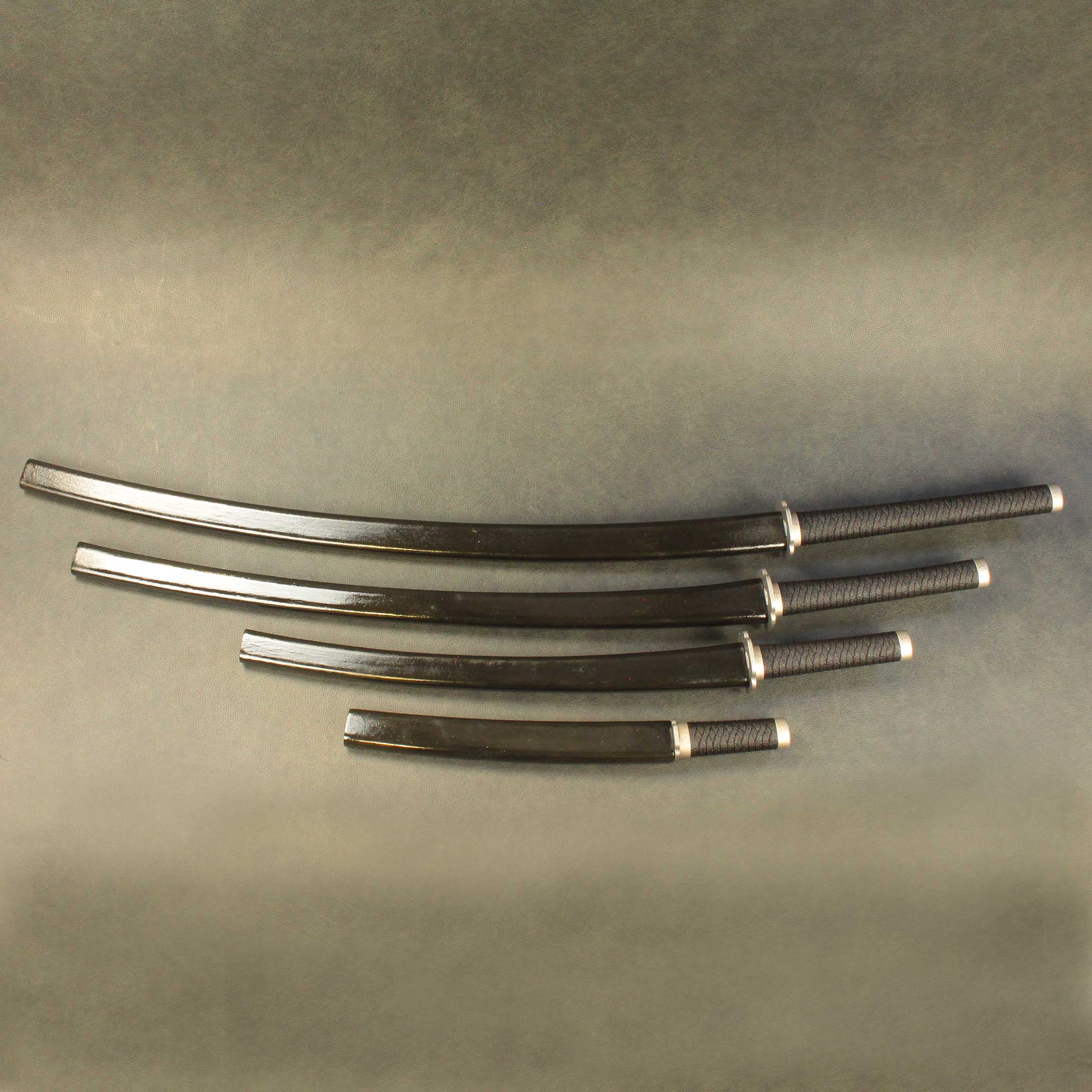
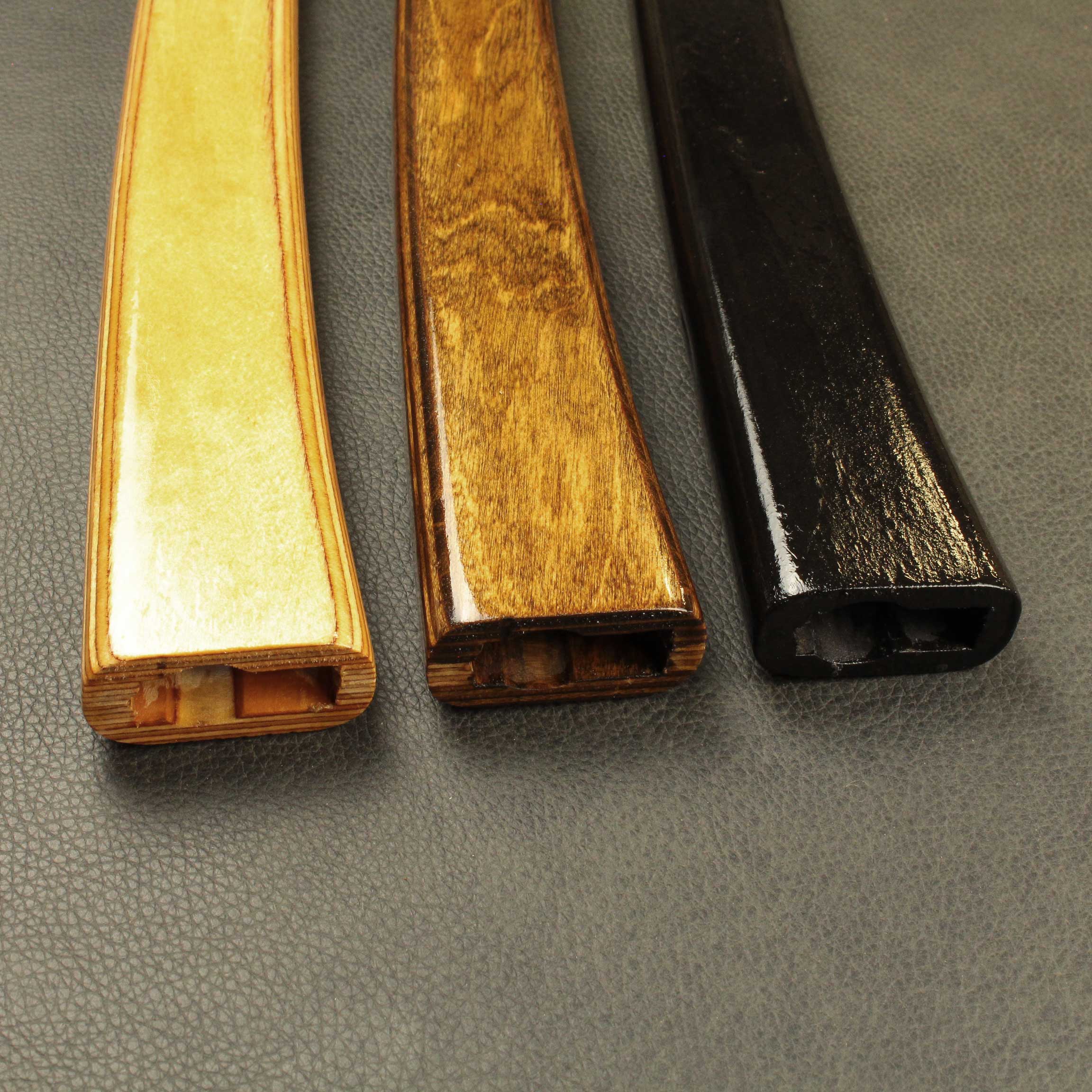
Now! onto saya! We offer saya (scabbard) for each of these blades. The saya is an important part of the Japanese sword martial arts for more than just something to hold the sword. Techniques for drawing the sword, sheathing it and even using the saya for defense are vast and complex. For this reason we have created custom saya profiles that can be used with our safety tips attached. They are also open at the end so that if a tip does come off in the saya, it can be easily pushed through and retrieved.
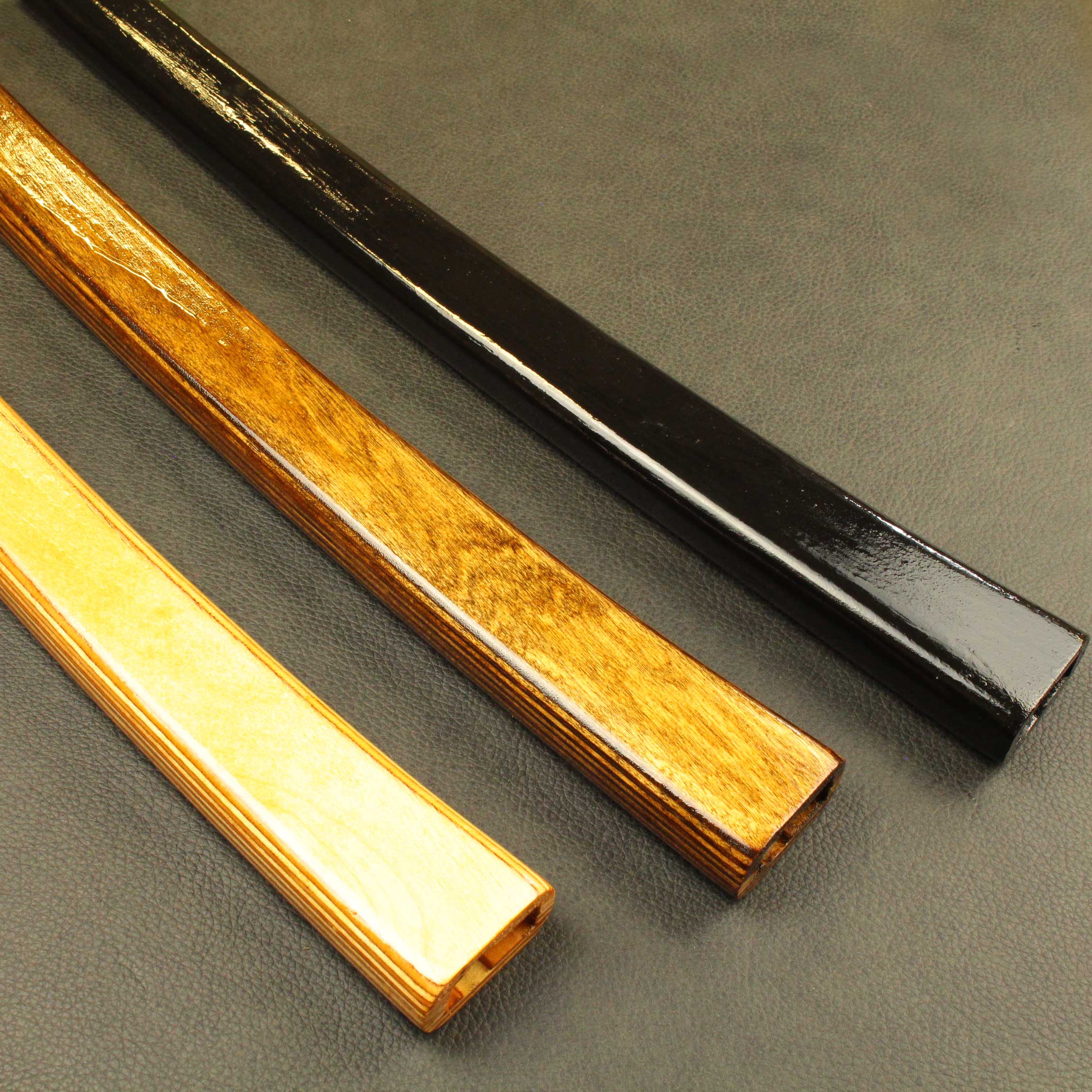
Our saya are hand made from void-less Baltic birch 18mil ply which is tough, light weight and doesn’t splinter easily. These have radiused and contoured edges and come in 3 finishes all covered in a healthy layer of spar varnish. Finishes include natural, dark stain and black. We also offer them unfinished so you can cover them as you like.
We are confident you will find these products to be the absolute best, most lifelike simulators on the market.
*Target Flex Weight.
Description

© Zenergy Metal Works, LLC DBA Castille Armory | 301 Grove Road, Unit A, Phoenix, Oregon 97535
All rights reserved. Site developed and hosted by Rogue Web Works.